News
Education

FLEX 2026: Malawi to host Africa’s high-level forum on foundational learning

image-d0f350b60143eae52b8e4acc9d628a244ec53540-5895x3684-jpg

FLEX 2026 marks the continued rise of an Africa-led ministerial platform driving accountability, reform and measurable progress in foundational learning across the continent.

With the announcement of the Africa Foundational Learning Exchange (FLEX) in Malawi, FLEX is firmly established as the ministerial platform for advancing foundational learning across the continent.

From Freetown, Sierra Leone ”Foundational Learning Exchange” (2023)
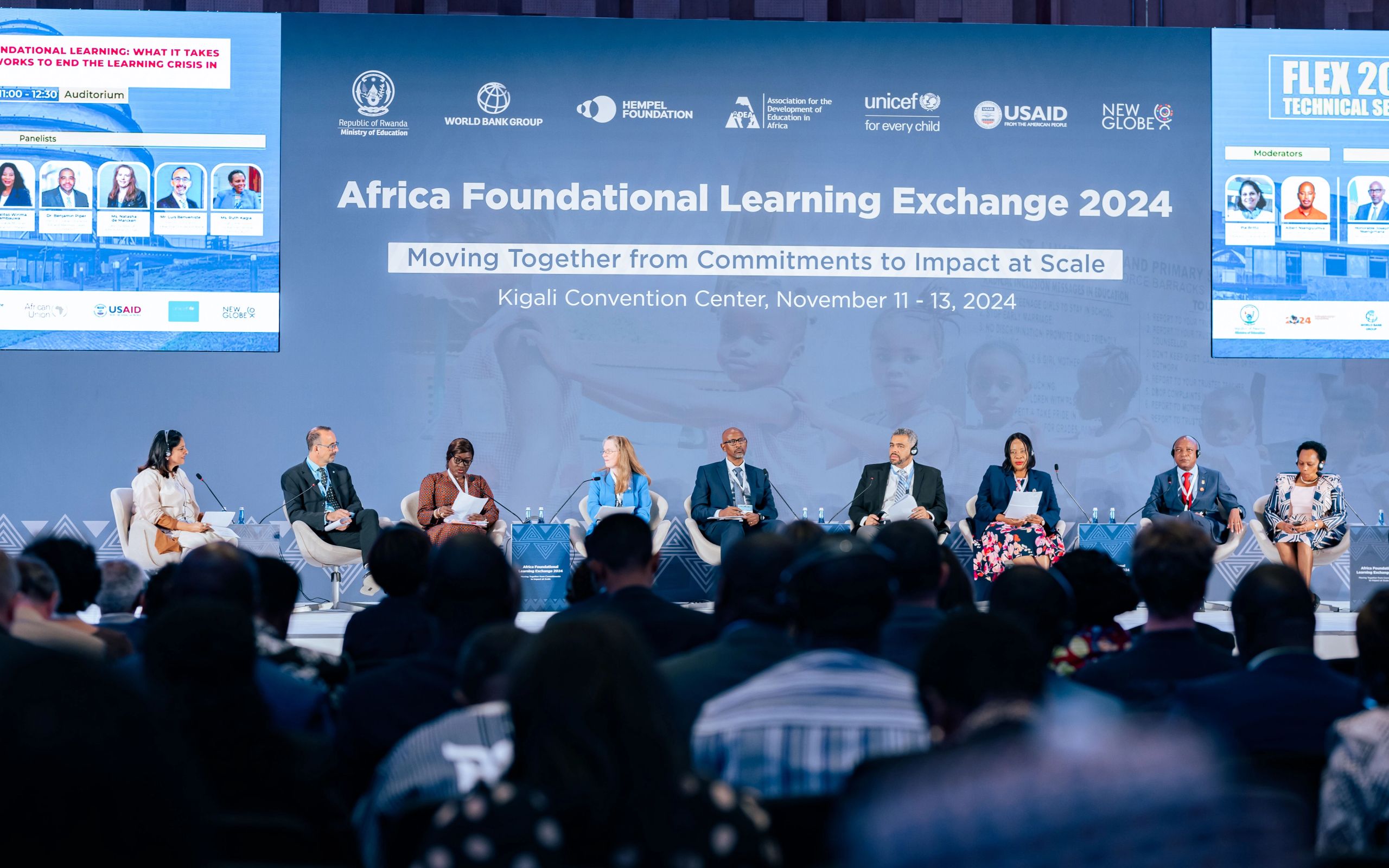
to Kigali, Rwanda “Moving Together from Commitments to Impact at Scale” (2024)
and now to Lilongwe, Malawi 15-17th July 2026

WHY ARE THE FLEX CONFERENCES UNIQUE?

Hosted by the Ministry of Education, Science and Technology of Malawi in partnership with the Association for the Development of Education in Africa (ADEA), FLEX 2026 will bring together ministers, senior policymakers, and partners committed to moving from ambition to measurable impact.

FLEX stands apart from many global conferences:

  • Governments are not simply convening. They are strengthening an Africa-led platform designed to build sustained momentum for investment and reform in foundational learning.
  • It is intentionally structured as a recurring ministerial moment — where countries return year after year to review progress, share implementation experience, and reinforce collective accountability.
  • And the momentum is visible. From the first visionary FLEX in Freetown, the momentum grew. FLEX Kigali hosted more than 20 Ministers of Education and 12 Heads of Ministerial Delegations from 34 countries in Africa
  • With each edition, participation deepens, alignment strengthens, and the focus sharpens on scaling what works. FLEX is becoming a driving force for sustained political accountability based on documenting progress against the FLEX Commitments


THE FLEX COMMITMENTS

At its core are the five shared commitments of the FLEX 2024 Decraration for Action serving to collectively commit to ending learning poverty in Africa by 2035:

  • Enhance inter-country collaboration and knowledge exchange
  • Scale evidence-based approaches to improve learning outcomes
  • Prioritize high-quality data, evidence, and accountability mechanisms
  • Accelerate impact through efficient use of ressources
  • Boost coordination among foundational learning partners at country level

These commitments place foundational learning at the center of education reform and human capital development across Africa. Read the 2024 report and the 5 commitments

At the Hempel Foundation, we are proud to be a core supporter of the three consecutive FLEX conferences. From Sierra Leone to Rwanda and now Malawi, we have seen this forum evolve into a powerful ministerial space for evidence-informed dialogue and collective ambition.

As preparations for FLEX Malawi take shape, the call to action is clear:

  • For governments: Government ownership is the cornerstone of FLEX. In the months ahead, countries will undertake stocktaking of progress since FLEX 2024 — reviewing reforms, assessing implementation quality, and identifying where acceleration is needed.
  • For development partners: Contribute to shaping a focused agenda that strengthens alignment around country priorities and allows implementation evidence and technical expertise to fertilize the sessions and panels at FLEX 2026.
  • For funding partners: Join forces with Malawi’s Ministry of Education and ADEA to enable a strong, substantive convening — mobilizing resources and coordination to ensure FLEX 2026 delivers measurable progress.


We look forward to engaging with governments and partners on planning over the coming months — and to continuing the collective effort to ensure quality foundational learning for every child.