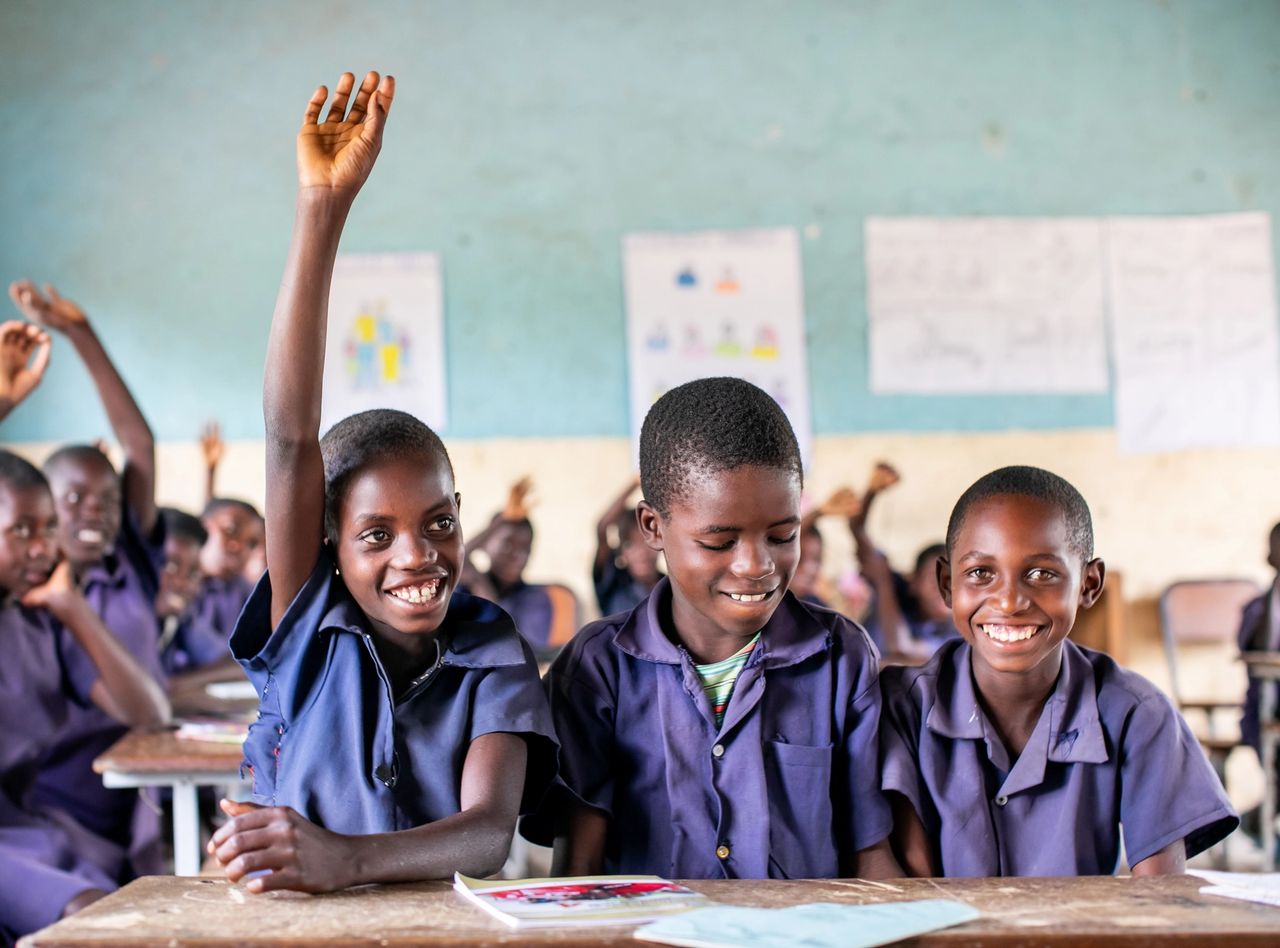
Today, millions of children, especially in the world’s Least Developed Countries, are going to school but are not learning essential foundational literacy, numeracy and socioemotional skills.
Africa: Making Foundational Learning Investments Last
Discover how the Hempel Foundation’s partnership with Human Capital Africa is helping make foundational learning reform last across Africa.
These skills are crucial for all further learning. Without foundational learning, children cannot progress. This affects not only their education but also their ability to contribute to society and live empowered lives.
90%learning poverty
The world is facing a learning crisis, disproportionately impacting lower-income countries.
10Years of age
In Sub-Saharan Africa, 9 out of 10 children cannot read and comprehend a simple text by the age of 10.
How
How We Work
Over the past two decades, great strides have been made in expanding access to education for children worldwide, ensuring that both boys and girls have the opportunity to attend primary school. However, access alone is not enough.
We address the global learning crisis through targeted, evidence-based interventions that maximize impact and efficiency. Our approach combines country-level support and global initiatives to deliver scalable, cost-effective solutions for reducing learning poverty.
At the country level, we partner with organizations that align with government priorities to implement proven learning methods. We focus on identifying high-impact, cost-effective programs that empower local organizations and ensure sustainability. By leveraging data and evidence, we help allocate resources to interventions that deliver measurable improvements in foundational skills, such as reading, writing, and numeracy.
At the global level, we invest in initiatives that enhance government capacity to drive systemic change. Our efforts focus on catalyzing collaboration, fostering knowledge sharing, and advocating for strategic investments that address the root causes of learning poverty.
Governments must take bold action and invest wisely in proven strategies to improve children’s foundational learning. But without reliable data and evidence, directing resources toward the most effective interventions becomes a challenge.
To address this, UNICEF and the Hempel Foundation launched the Foundational Learning Action Tracker in 2023 - a tool designed to bridge this gap and drive meaningful progress.
ADEA is a pan-African education partnership hosted by the African Development Bank Group (AfDB) that brings together African Ministries of Education, development partners, civil society, and the private sector to advance education reform. Through policy dialogue, knowledge sharing, capacity-building, and evidence-informed advocacy, ADEA strengthens education systems, supports foundational learning, and promotes inclusive, government-led reforms across Africa.
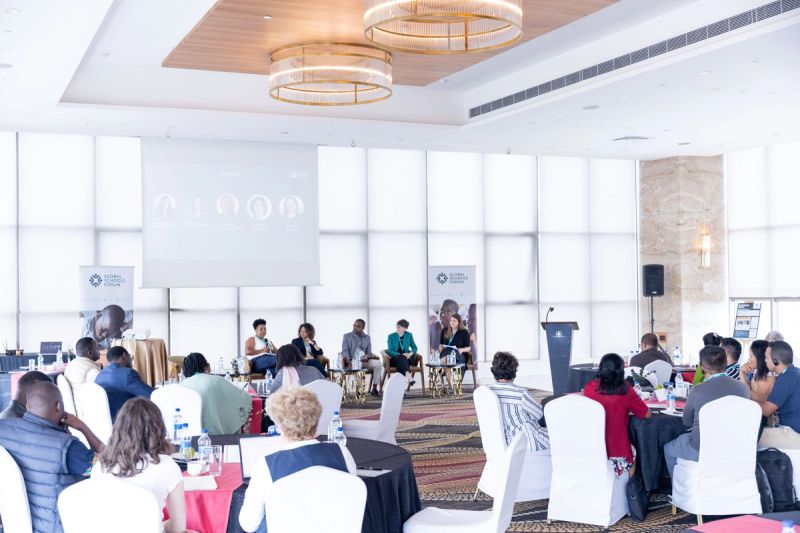
Global Schools Forum - GSF - is a collaborative community, innovation accelerator, and partnership builder working to improve education at scale for underserved children in low- and middle-income countries.
Through capacity-building, policy advocacy, and knowledge-sharing, GSF strengthens the impact of schools and organizations working to expand access to quality learning opportunities.
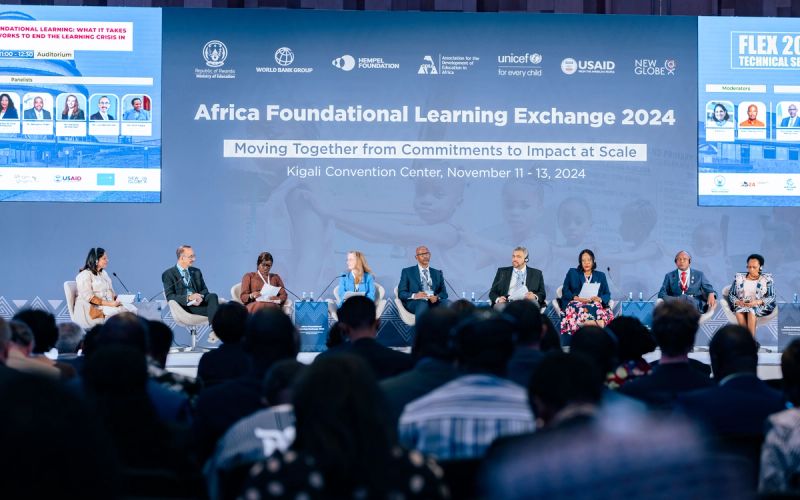
Human Capital Africa is an accountability and advocacy organization that uses evidence to mobilize governments to take actions that improve foundational literacy and numeracy outcomes for children in Sub-Saharan Africa.
PAL Network - People’s Action for Learning - is a global coalition of organizations working to improve learning outcomes through citizen-led assessments and community-driven education reforms. By generating data on foundational learning and advocating for evidence-based policies, PAL empowers governments and communities to ensure all children acquire essential skills in literacy and numeracy.
The What Works Hub for Global Education is an international partnership working out how to implement education reforms at scale, with the ultimate goal of increasing literacy, numeracy and other key skills in low- and middle-income countries.
UNICEF works to ensure every child has access to quality education, especially in the early years when foundational skills are built. They focus on strengthening basic reading, writing, and numeracy so children can continue learning and thrive. Through partnerships and data-driven approaches, UNICEF supports governments to improve education systems and reach the most vulnerable learners.
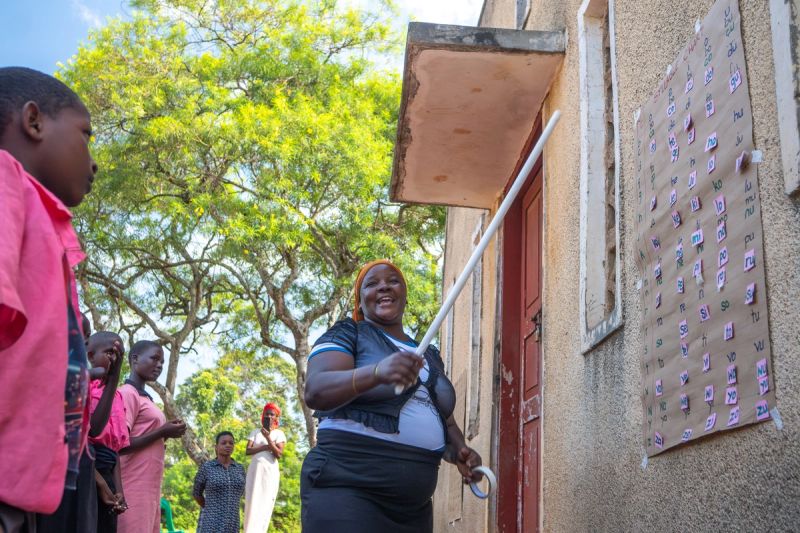
Building Tomorrow partners with communities in Uganda to improve access to quality education in rural areas. Through school construction, teacher training, and innovative learning programs, it works to ensure every child has the opportunity to develop foundational literacy and numeracy skills.
EOF - Education Outcomes Fund - partners with governments and donors to improve education quality through innovative financing mechanisms. By using results-based funding, it helps scale effective education interventions that drive measurable improvements in learning outcomes.
FHI 360 is a global nonprofit organization that advances health, education, and economic opportunity through research, innovation, and partnership. By combining scientific expertise with community-driven approaches, FHI 360 works with governments, local organizations, and development partners to design evidence-based solutions, strengthen systems, and improve lives in more than 50 countries worldwide.
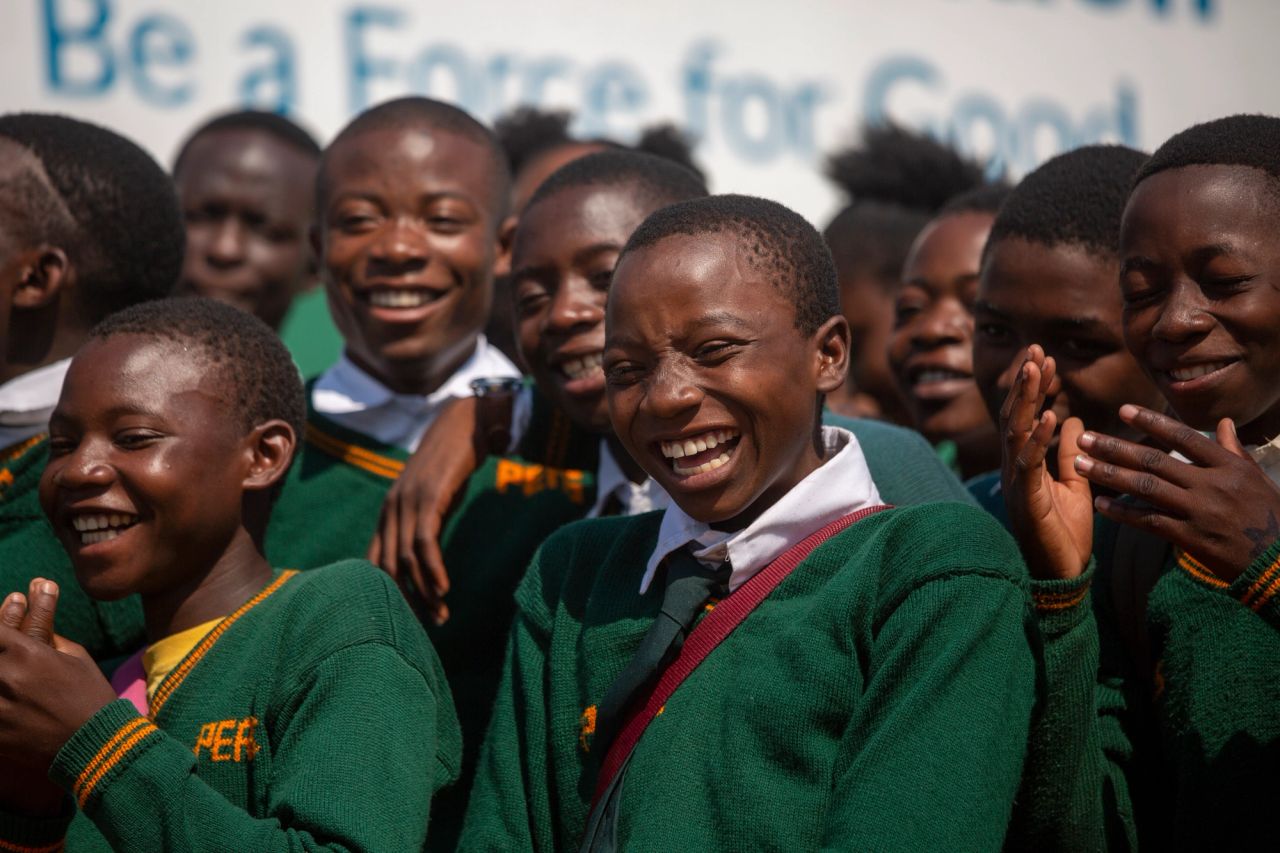
PEAS - Promoting Equality in African Schools - operates a network of affordable, high-quality secondary schools in underserved communities across Africa. By combining innovative school management with government partnerships, PEAS expands access to education, improves learning outcomes, and ensures that every child has the opportunity to succeed.
UNICEF works to ensure every child has access to quality education, especially in the early years when foundational skills are built. They focus on strengthening basic reading, writing, and numeracy so children can continue learning and thrive. Through partnerships and data-driven approaches, UNICEF supports governments to improve education systems and reach the most vulnerable learners.
The Numeracy Research & Development (NRD) Fund is a bold new initiative working to improve foundational numeracy outcomes for children in Sub-Saharan Africa. The focus is on evidence-based solutions that tackle gaps in how numeracy is taught and understood, especially in early primary years. Goal is to support local governments and partners in helping at least 50% of students in government schools meet Grade 3 numeracy benchmarks after three years of support.
Twaweza is a civic organization that uses data and public engagement to drive education reform in East Africa. By promoting transparency, accountability, and citizen-led learning assessments, it empowers communities and policymakers to improve education systems.
VVOB - Education for Development - partners with governments and education institutions to improve teacher training and school leadership in low-income countries. Through evidence-based programs and capacity-building, VVOB enhances education quality and ensures every child benefits from effective teaching and learning.
Save the Children works globally to ensure children receive a quality education, even in crisis and conflict settings. Through early childhood programs, school improvement initiatives, and education in emergencies, the organization helps millions of children learn, grow, and thrive.
Street Child works in some of the world's most challenging environments, including Nepal, to ensure children have access to education. By addressing barriers such as poverty, conflict, and gender inequality, it helps vulnerable children enroll in and complete their education.
Teach for Bangladesh is a leadership development program that recruits and trains high-potential graduates to teach in underserved schools. By nurturing a network of education leaders, it works to address educational inequities and build a movement for systemic change.
VSO - Voluntary Service Overseas - harnesses the power of volunteers to improve education systems in low-income countries. By working directly with teachers, school leaders, and policymakers, VSO strengthens education quality and expands access to inclusive learning.
Aasaman Nepal is a national NGO founded in 1999 with strong roots in local communities, particularly among marginalized populations. The organization works with communities and local authorities to promote child rights and strengthen education systems across Nepal.
A key focus of its work is improving foundational learning by ensuring children develop essential skills in reading, writing, and numeracy, helping more children access inclusive learning environments and succeed in school.
EducAid Sierra Leone is supporting education system strengthening through its Top Ten Strategies for Teaching & Learning (ETTS) and District of Excellence model. Drawing on 30 years of experience, EducAid supports over 850 schools across six districts, equipping Ministry teams, school leaders, and teachers with practical tools to build safe, respectful, and effective classrooms - ensuring every child is in school, safe, and learning.
Education Network Madgascar project mobilizes local leaders to support educational supervisors, enables teacher self-training through accessible digital modules on tablets or phones, and promotes the creation of localized educational tools. This innovative approach combines simple technology, community engagement, and local educational groups to improve teaching practices and, ultimately, student outcomes.
IEE Rwanda works across Rwanda to strengthen education systems and improve learning outcomes for children. Through partnerships with communities and education stakeholders, the organization supports quality education and the wellbeing of school children.
IEE promotes competency-based teaching and learning to help students build the knowledge, skills, and attitudes needed for lifelong learning, working closely with stakeholders across Rwanda’s education system.
MoNEPT, or the National Movement for Education for All, is a platform that brings together different organizations working in the education sector. The platform’s main mission is to advocate and take action in support of quality and inclusive education in Madagascar. It works to promote universal and equitable access to education, ensuring that every person can realize their dignity and fundamental human rights.
Where We Work
Learning poverty is a global challenge, but it is most acute in the world’s least developed regions, particularly in Sub-Saharan Africa and South Asia.
Strategic focus areas
Our efforts are concentrated in Sub-Saharan Africa and South Asia with a specific focus on Madagascar, Rwanda, Sierra Leone, Tanzania, Uganda, Zambia, Bangladesh, and Nepal as our priority countries. These countries are at the forefront of our mission to reduce learning poverty, where we aim to improve educational outcomes by partnering with organizations that have a deep understanding of local challenges and opportunities.