Education
News
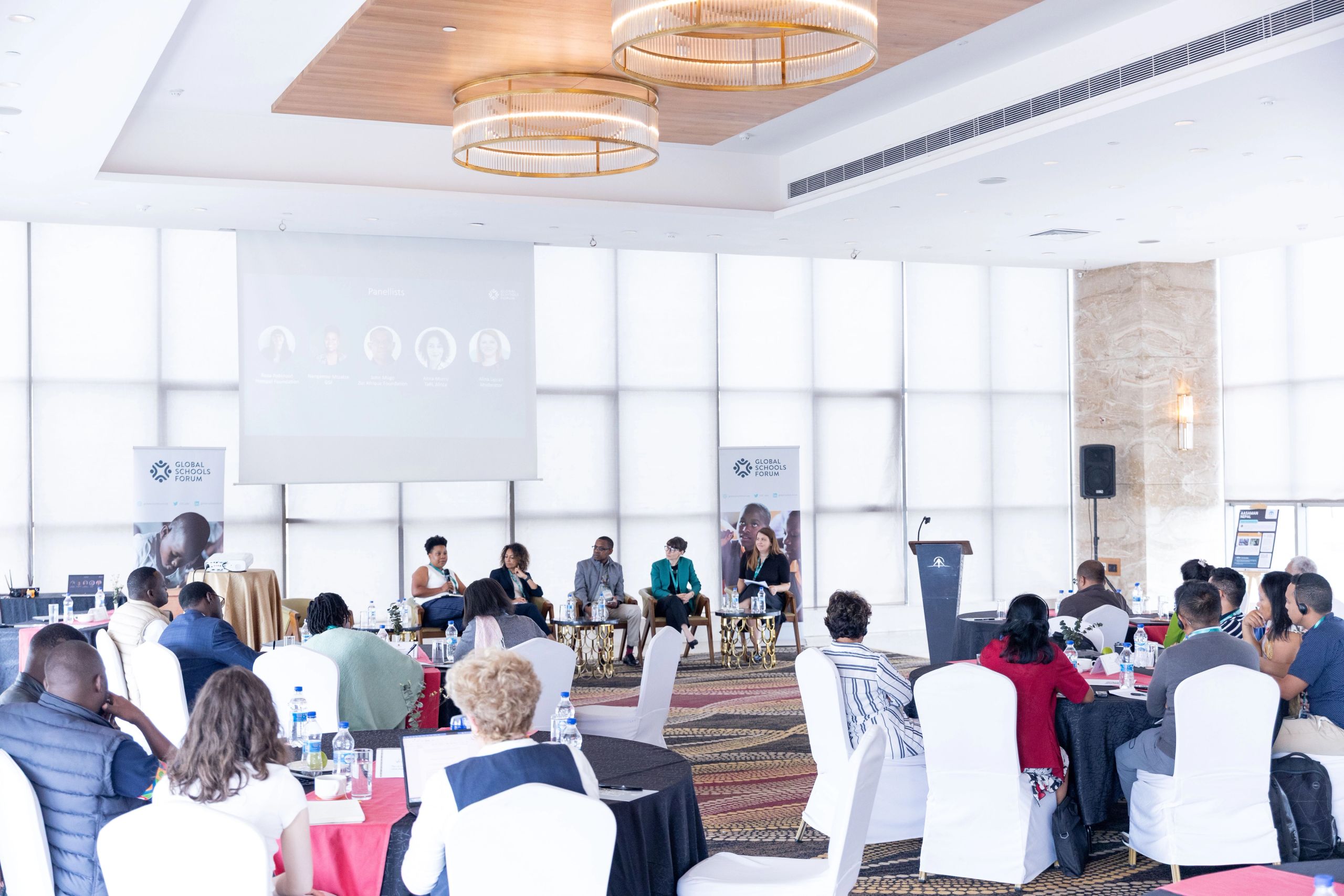
The Impact Accelerator is a joint initiative between the Hempel Foundation and Global Schools Forum, supporting education organisations in low- and middle-income countries to strengthen their capacity, deepen their impact, and scale sustainable solutions.
Through a combination of tailored technical assistance, coaching, and peer collaboration, the programme supports organisations to grow more effectively, strengthen partnerships, and advance approaches that improve foundational learning outcomes.
Each organisation’s journey begins with a structured diagnostic process, including organisational assessments, team reflections, and data visualisation. This provides clarity on key strengths, challenges, and priority areas for development.
Based on these insights, organisations receive tailored support across areas such as fundraising, finance, partnerships, leadership, and monitoring, evaluation and learning (MEL), delivered through expert-led tracks and coaching.
In parallel, the Impact Accelerator brings together a cohort of organisations to support shared learning and collaboration. Through workshops, offsite sessions, and peer exchange, participants reflect on their experiences, share challenges, and learn from one another.
The programme also contributes to broader sector learning by connecting insights from participating organisations to wider dialogue, including through case studies, events, and knowledge-sharing activities.
“The Impact Accelerator is driven by the powerful idea, that when philanthropy and ecosystem enablers work together, funding has greater reach and impact. A partnership between Global Schools Forum and the Hempel Foundation, the Impact Accelerator supports education organisations in low- and middle-income countries to grow and lead change. By aligning financial resources with deep sector expertise, this collaboration strengthens the broader education ecosystem. It’s about more than support as well as it’s about building the conditions for long-term success. Together, we’re turning promising ideas into scalable solutions, enabling education innovators to create lasting impact where it matters most.”
Rosa Robinson, Senior Manager, Education Partnerships, Hempel Foundation

Meet the organisations:
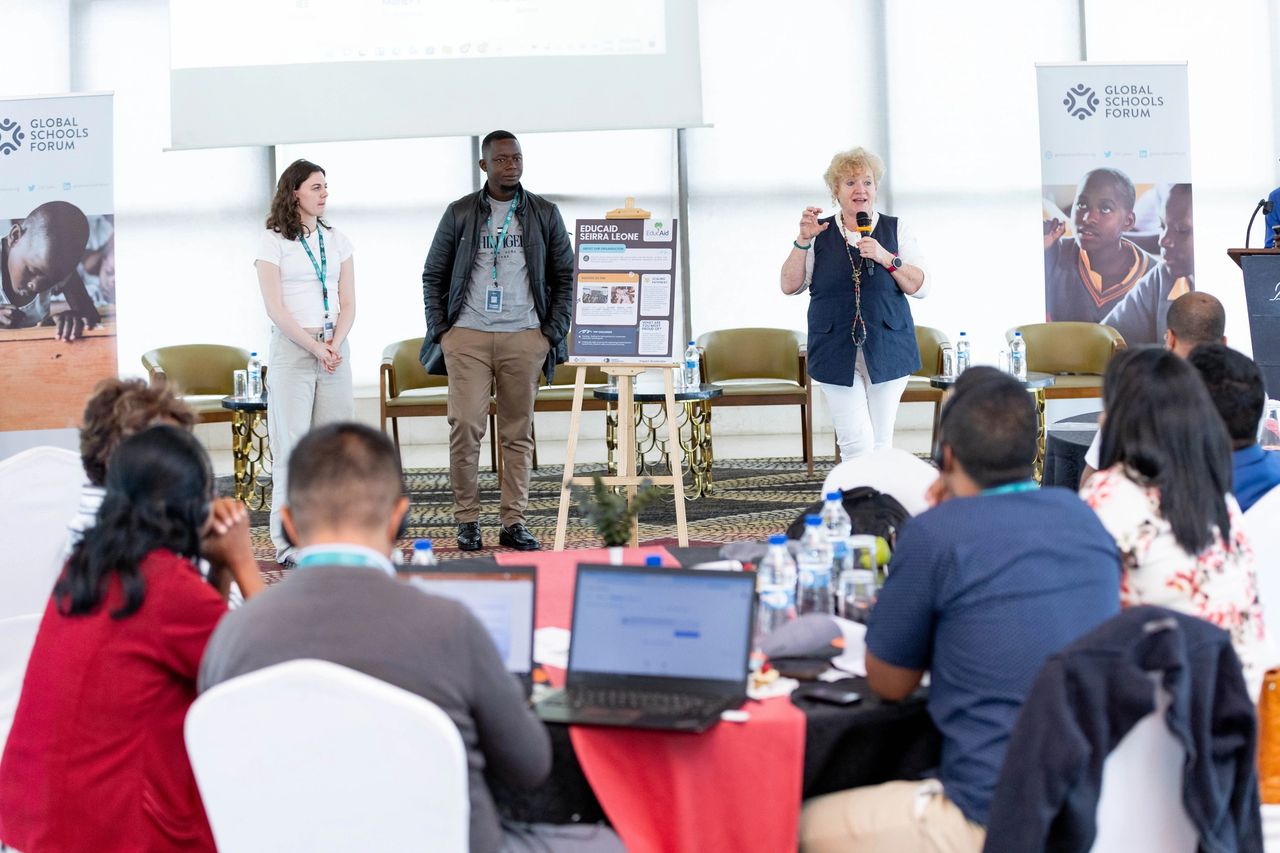
EducAid works hand-in-hand with communities and the Ministry of Basic Secondary Education (MBSSE) to strengthen education, teaching and learning in Sierra Leone.
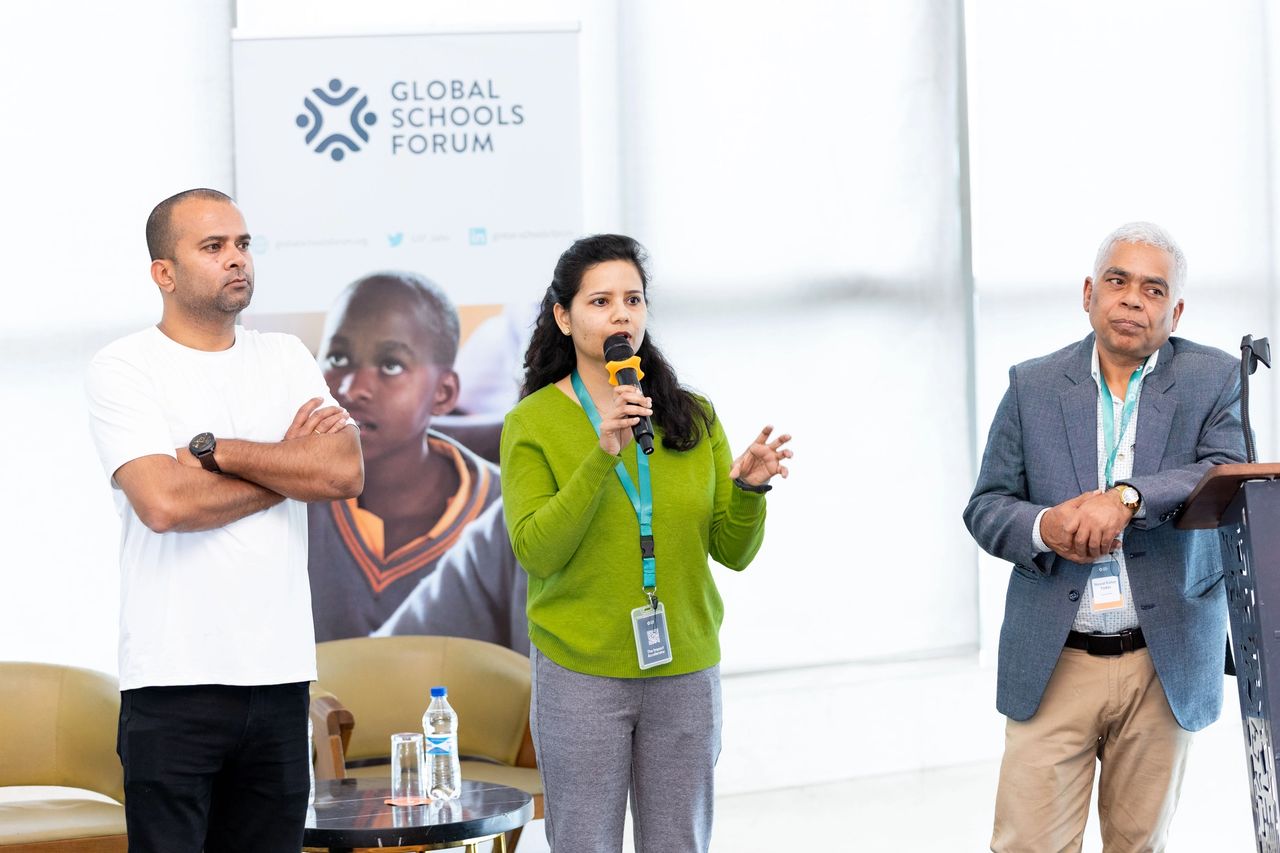
Aasaman Nepal established in 1999, is a national- level NGO having strong foundations at the local level with marginalized people. The organization works to have an impact on right holders and authorities in the areas of education and child protection, health and nutrition, DRR, women empowerment, NRM and assistance for livelihoods.
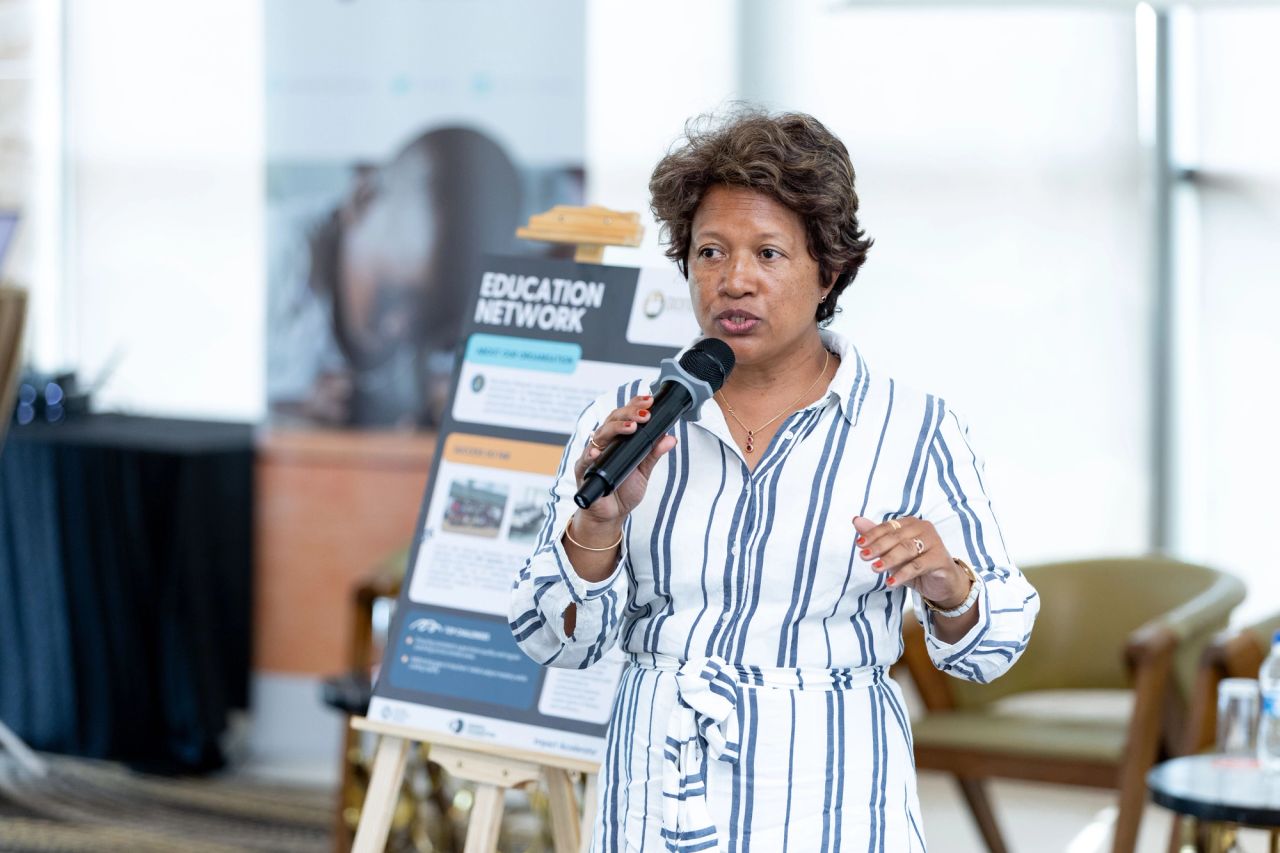
Education Network works with primary schools, teachers, supervisors and local communities in Madagascar to improve learning outcomes in Malagasy and mathematics. They strengthen continuous in-service teacher training through school-based coaching, peer learning, better use of official curriculum materials, and reinforced local supervision systems.
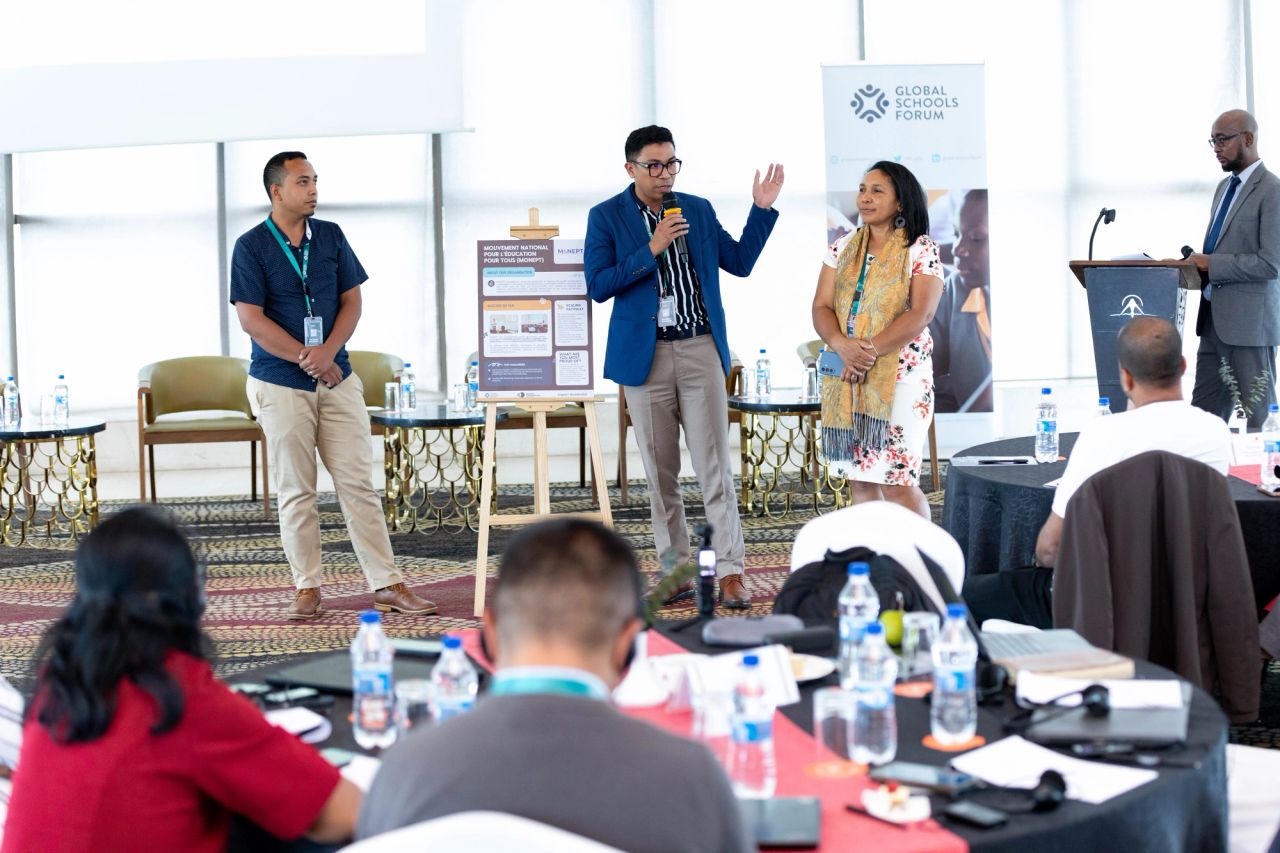
MONEPT strengthens community leadership to improve the quality of education in Madagascar. The organisation equips school governance committees (FEFFIs), teachers, and CSO actors with the skills and accountability tools needed to improve and influence education systems, placing communities at the centre of decisionmaking and connecting them to national authorities.
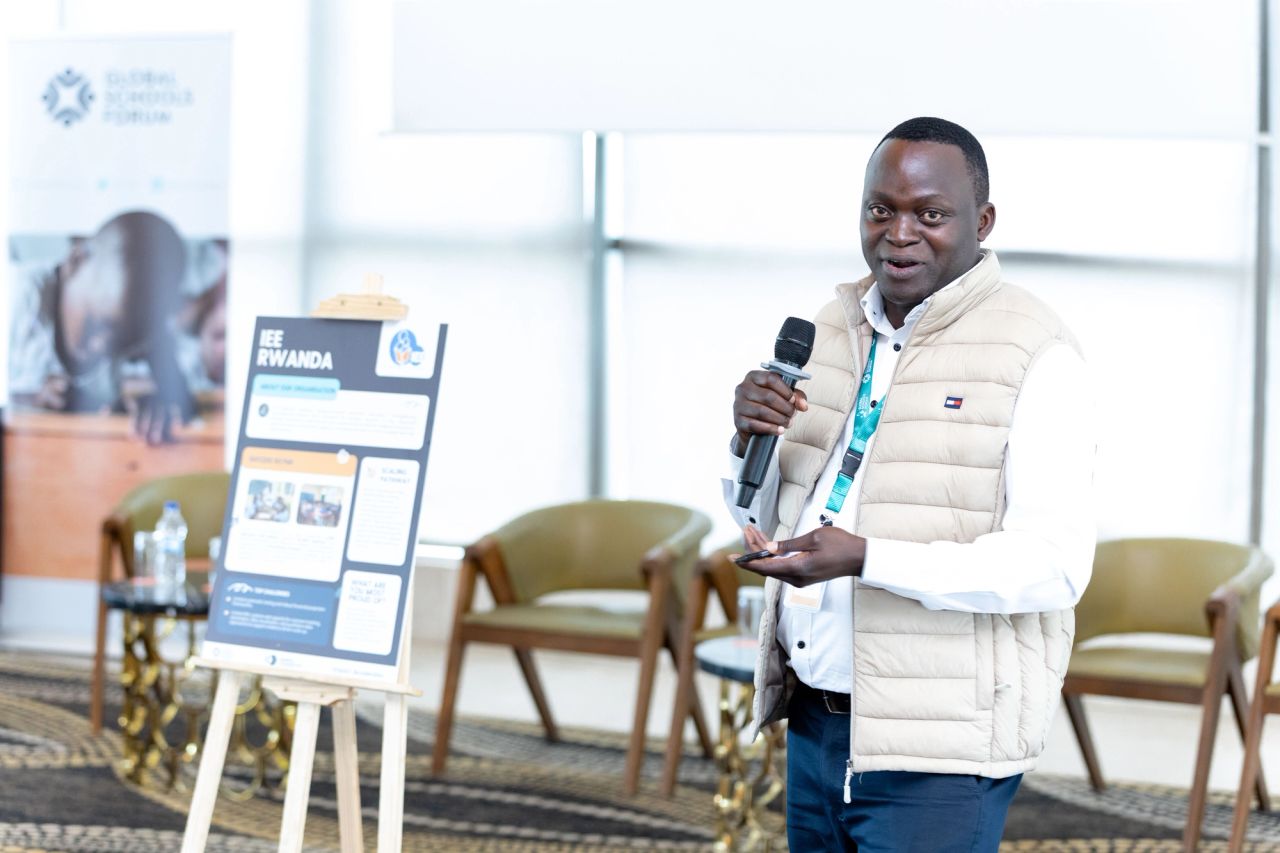
IEE Rwanda delivers evidence-based remedial education, strengthening
foundational literacy and numeracy for primary learners in less resourced
schools. The organisation partners with schools and communities to deliver targeted instruction, build formative assessment capacity, and generate data to drive scalable learning improvement.
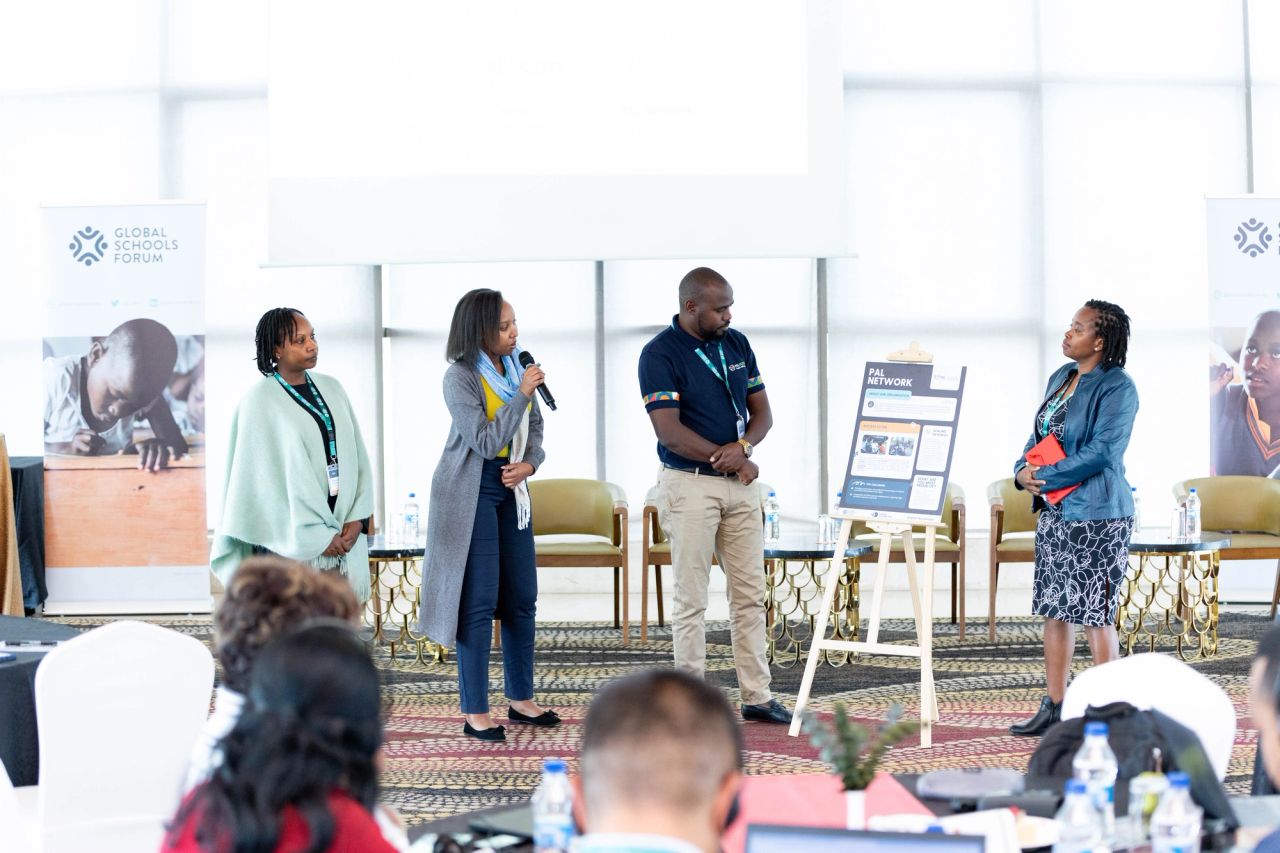
PAL Network is a south-south partnership of 17 member organisations working to promote children’s foundational learning across Africa, Asia, and America. PAL Network members conduct citizen-led assessments and learning intervention programmes aimed at improving learning outcomes.
2024- 2027 | 4.6 M DKK
Global Schools Forum - GSF - is a collaborative community, innovation accelerator, and partnership builder working to improve education at scale for underserved children in low- and middle-income countries.
Through capacity-building, policy advocacy, and knowledge-sharing, GSF strengthens the impact of schools and organizations working to expand access to quality learning opportunities.

EducAid Sierra Leone is supporting education system strengthening through its Top Ten Strategies for Teaching & Learning (ETTS) and District of Excellence model. Drawing on 30 years of experience, EducAid supports over 850 schools across six districts, equipping Ministry teams, school leaders, and teachers with practical tools to build safe, respectful, and effective classrooms - ensuring every child is in school, safe, and learning.

Education Network Madgascar project mobilizes local leaders to support educational supervisors, enables teacher self-training through accessible digital modules on tablets or phones, and promotes the creation of localized educational tools. This innovative approach combines simple technology, community engagement, and local educational groups to improve teaching practices and, ultimately, student outcomes.
Aasaman Nepal established in 1999, is a national- level NGO having strong foundations at the local level with marginalized people. The organization works
to have an impact on right holders and authorities in the areas of education and child protection, health and nutrition, DRR, women empowerment, NRM and
assistance for livelihoods.
MoNEPT, or the National Movement for Education for All, is a platform that brings together different organizations working in the education sector. The platform’s main mission is to advocate and take action in support of quality and inclusive education in Madagascar. It works to promote universal and equitable access to education, ensuring that every person can realize their dignity and fundamental human rights.
IEE Rwanda works across Rwanda to strengthen education systems and improve learning outcomes for children. Through partnerships with communities and education stakeholders, the organization supports quality education and the wellbeing of school children.
IEE promotes competency-based teaching and learning to help students build the knowledge, skills, and attitudes needed for lifelong learning, working closely with stakeholders across Rwanda’s education system.
2025- 2026 | 4 M DKK
PAL Network - People’s Action for Learning - is a global coalition of organizations working to improve learning outcomes through citizen-led assessments and community-driven education reforms. By generating data on foundational learning and advocating for evidence-based policies, PAL empowers governments and communities to ensure all children acquire essential skills in literacy and numeracy.