Biodiversity
News
Tanzania
A renewed partnership between the University of Dar es Salaam and London's Natural History Museum is shifting from discovery to training, putting the search for Tanzania's unrecorded species into the hands of the scientists who call the country home.
The HAZINA Project is reclaiming Tanzania's natural heritage by transforming its vertebrate collections into a modern, research-ready resource through collections development, infrastructure, and training. By empowering Tanzanian curators and scientists and building international partnerships, HAZINA is creating the capacity for biodiversity research and conservation to be led from within Tanzania.
Tanzania is among the most important countries for conservation on mainland Africa, with some of the highest levels of biodiversity and endemism anywhere in the world. At least 1,591 of its species are globally threatened with extinction. Between 1990 and 2020, the country's population doubled and it lost a fifth of its forests. Habitat degradation, climate change and unsustainable land use continue to close in on ecosystems that, in many cases, have never been properly mapped or even fully catalogued.
Tanzania holds more than a third of Africa's plant species, despite covering only around 3% of the continent's land area, and contains two of Africa's biodiversity hotspots: the Eastern Afromontane and the Coastal Forests of Eastern Africa.
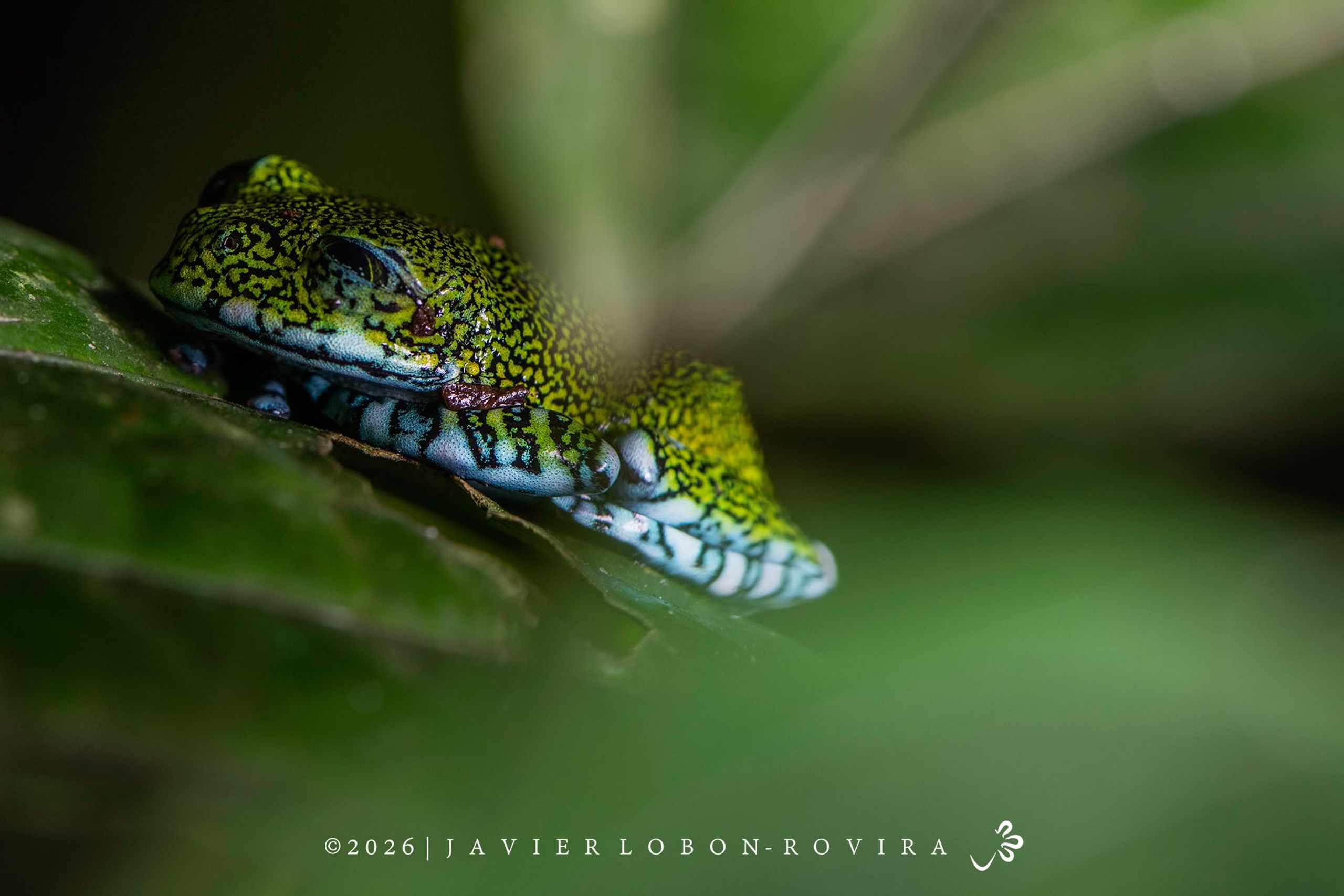
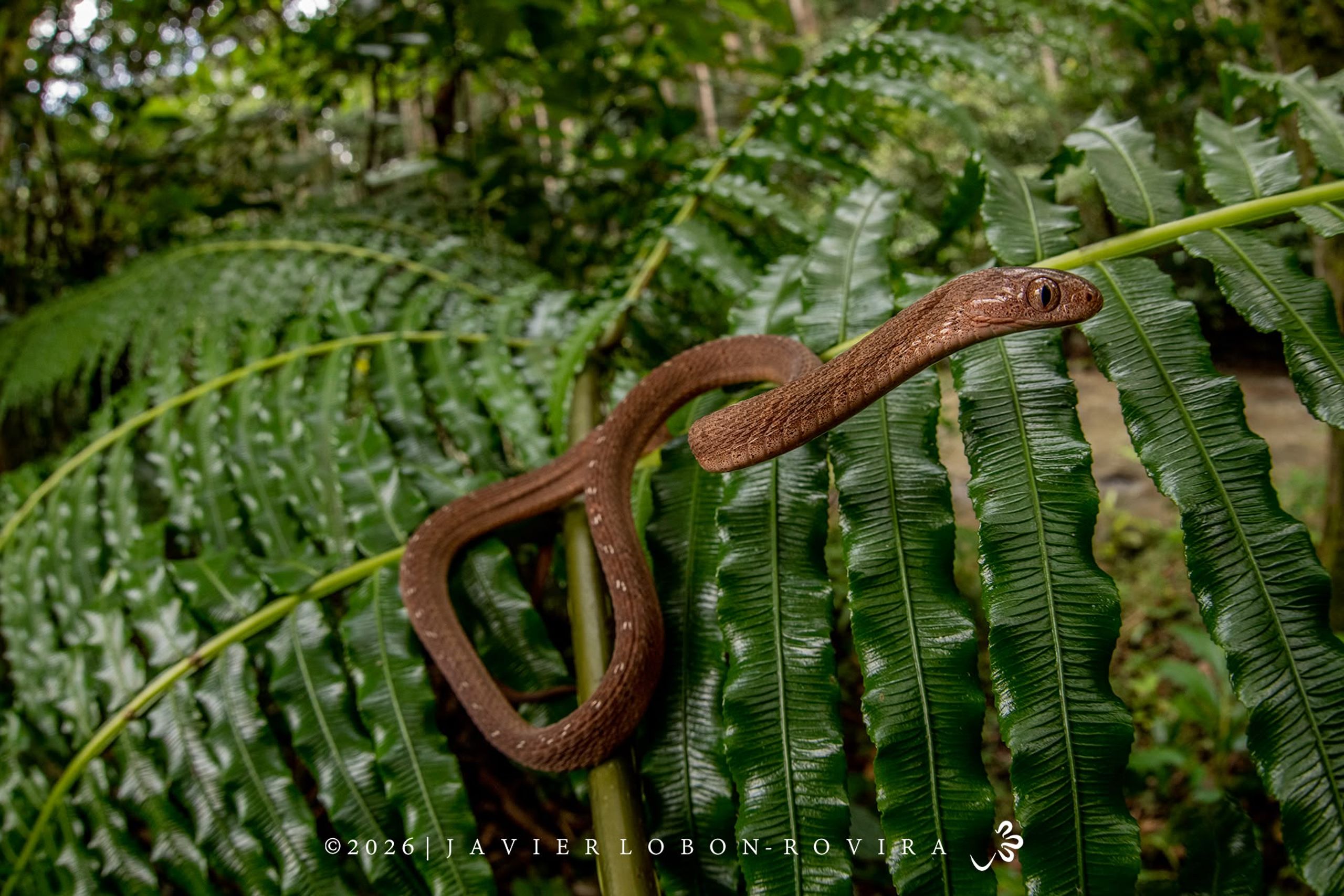
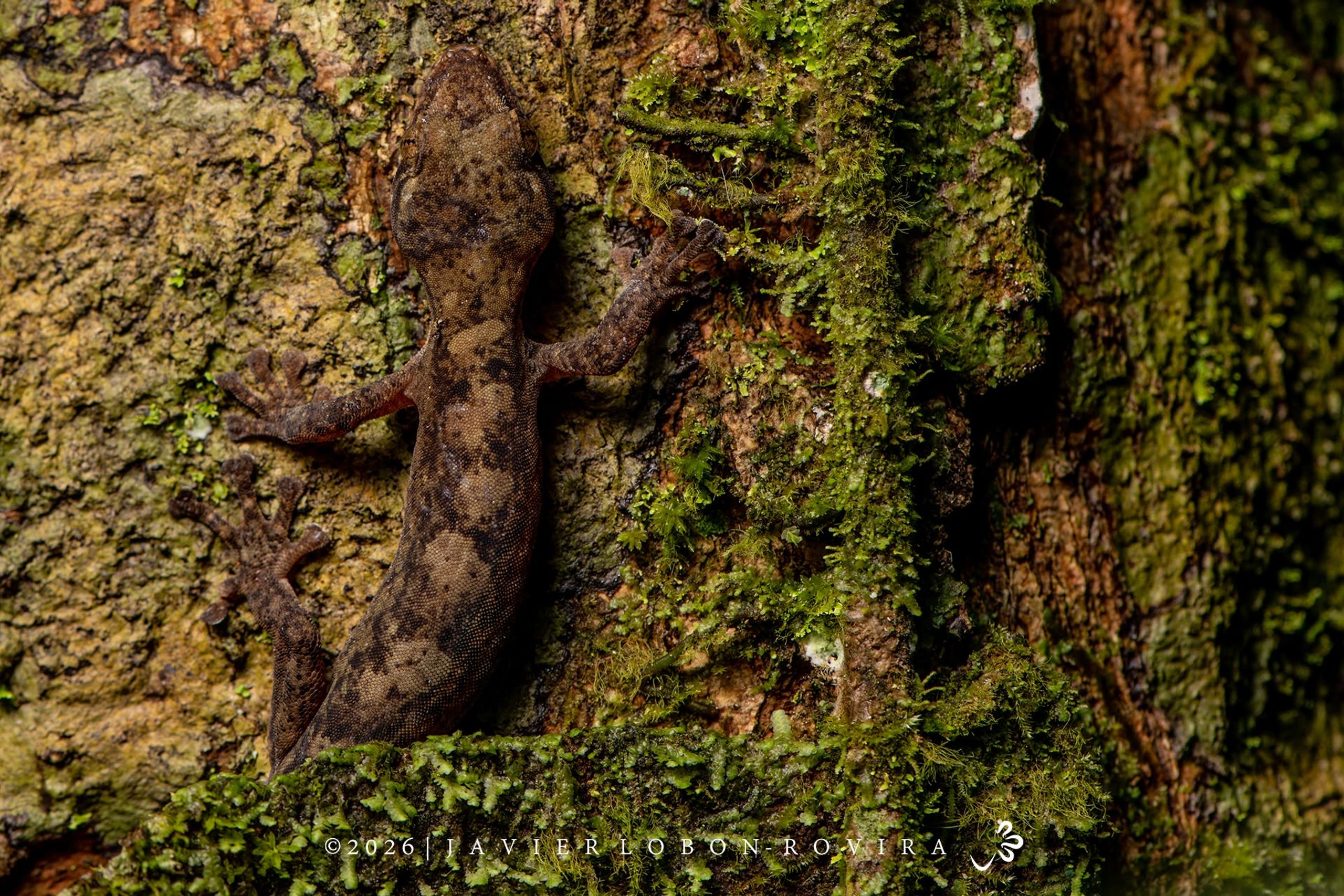
The Eastern Arc Mountains, part of the Eastern Afromontane Biodiversity Hotspot, sit at the centre of that gap. First recognised for their extraordinary biodiversity 40 years ago, these mountains hold some of the highest concentrations of endemic plants and animals on the continent, species found nowhere else on Earth. Yet they remain scarcely known outside the region, and decades of research have only begun to reveal what actually lives there.
A partnership between the University of Dar es Salaam (UDSM) and London's Natural History Museum, working alongside specialists from partner institutions across Tanzania and internationally, has already described 11 new amphibian species in this landscape since 2020. Now, renewed for another five years, the partnership is shifting its focus. Rather than international researchers leading the search, it is training the Tanzanian scientists who will carry this work forward themselves.
The work is supported through HAZINA, funded by the Hempel Foundation through a grant to Re:wild, which coordinates the programme alongside UDSM and the Natural History Museum.
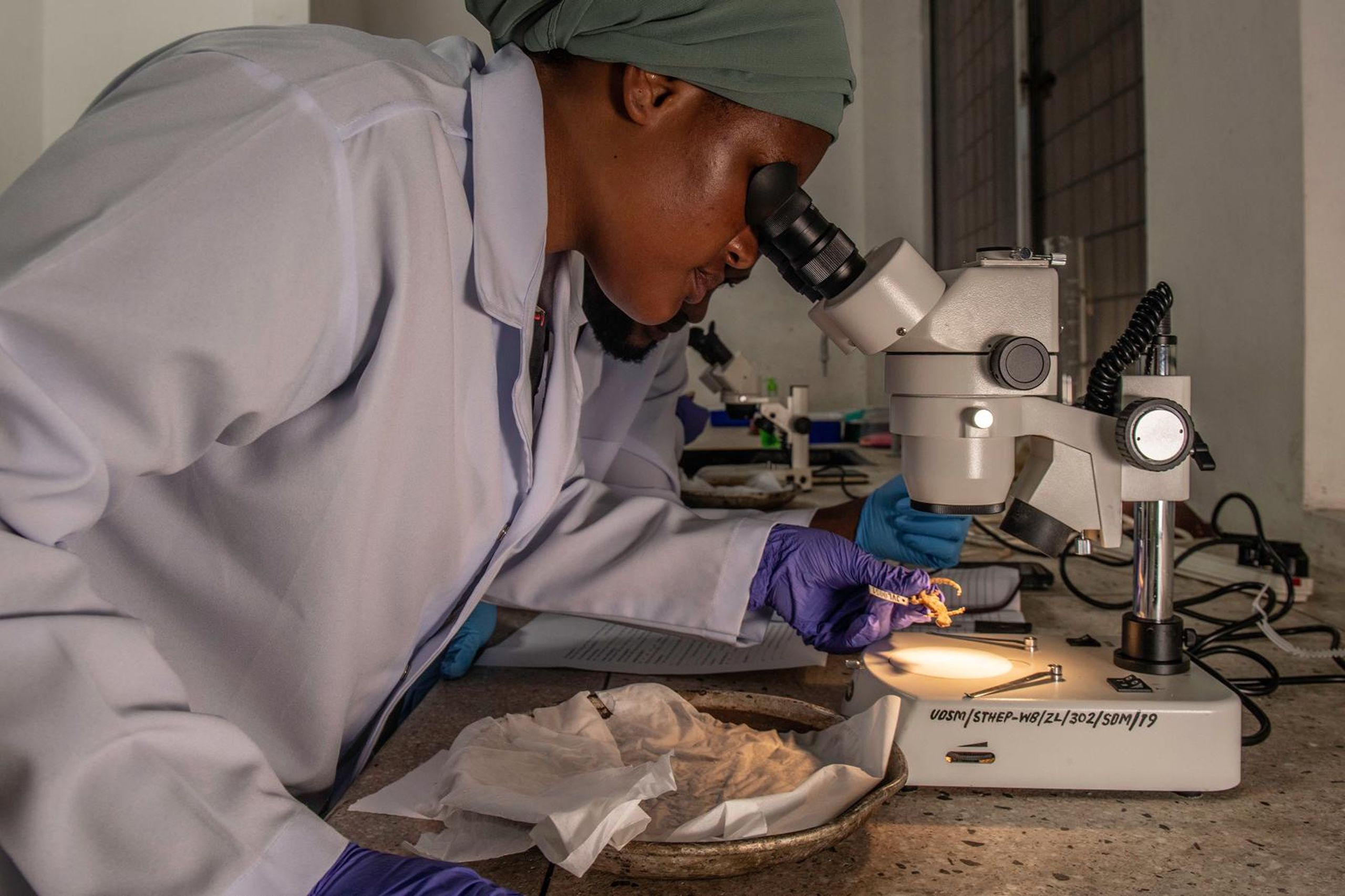
Five new master's students have joined the programme, each researching a different corner of the country's wildlife: fish, amphibians, reptiles, birds and mammals. Three new curators have been recruited to help modernise and expand the university's zoological collections, work that will strengthen how specimens are preserved, catalogued and made available for study long after this project ends. The work is supported through HAZINA, funded through a grant to Re:wild, which coordinates the programme alongside UDSM and the Natural History Museum.
Training began in Dar es Salaam, where UDSM staff, HAZINA students and curators worked alongside specialists from partner institutions in Tanzania and abroad on herpetology, fish and mammal collections research, followed by hands-on training in field techniques. The programme then moved to the Nguru Mountains and Kimboza, where participants carried out structured field surveys of the region's bats, galagos, fish, amphibians and reptiles, using established scientific survey methods that form the backbone of how new species are found, confirmed and formally described. Back in Dar es Salaam, training continued with practical sessions on fish collection and preparation, closing with each HAZINA student developing a research proposal linked to Tanzania's biodiversity and the university's collections.
With fieldwork complete and their own research proposals now taking shape, this new generation of Tanzanian scientists is just getting started. Nobody yet knows what they will find, or name, next.
"The greatest legacy of this partnership won't be the species we discover—it's the community of Tanzanian scientists who will continue discovering and protecting their country's remarkable biodiversity for generations to come."
– Dr. Simon Loader, HAZINA Project External Advisor, Principal Curator, Natural History Museum of London
"For many years Tanzania's biodiversity has attracted researchers from around the world. HAZINA is changing that story by building the expertise, collections and research capacity that allow Tanzanian scientists to lead this work from within the country."
– Dr. John Lyakurwa, HAZINA Project Science Coordinator, University of Dar es Salaam.
“The strength of HAZINA lies in the relationships we are building. By working alongside international partners as equal collaborators, we are creating enduring networks of knowledge, mentorship and trust that will benefit Tanzanian science long after the project itself has finished.”
– Dr. Flora Stephano, HAZINA Project Manager, University of Dar es Salaam
“Lasting conservation depends on lasting partnerships. Our collaboration with the Natural History Museum and colleagues around the world is not simply about sharing expertise—it is about growing the next generation of Tanzanian researchers who will lead internationally connected science from here in Tanzania.”
– Prof. Flora Magige, HAZINA Project Director and the Principal College of Natural and Applied Sciences, University of Dar es Salaam