Biodiversity
Blog
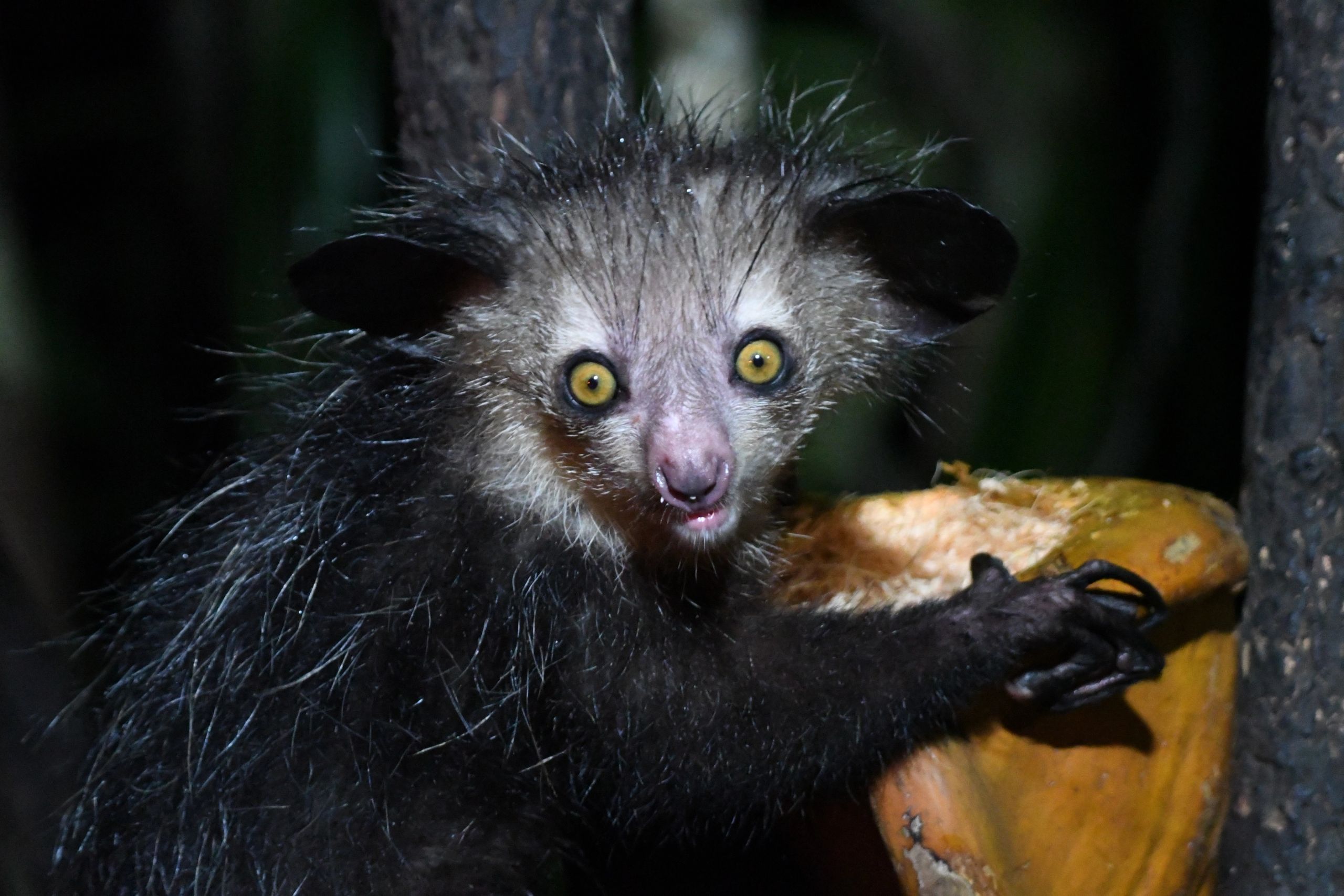
For those working to protect the planet’s biodiversity, December is the perfect time to turn our attention to the unfamiliar, the strange, and the profoundly irreplaceable species who have no close relatives.
By Georgie White, Biodiversity Manager at the Hempel Foundation
As the year draws to a close, much of the world focuses on the familiar and beloved tradition of gathering with close family. But for those working to protect the planet’s biodiversity, December is the perfect time to turn our attention to the unfamiliar, the strange, and the profoundly irreplaceable species who have no close relatives.
These are the species that are alone on the tree of life. They are the Evolutionarily Distinct and Globally Endangered (EDGE) species, and their conservation is one of the most critical pursuits of our time.
Most species cluster together on the vast branching tree of life. Then there are the solitary outliers, the long branches stretching back deep in time. Take the long-beaked echidna, a mammal that still lays eggs, or the solenodon, a venomous rat whose lineage stretches back to the age of dinosaurs. These unique creatures are living biological archives. They hold secrets that have allowed them to survive mass extinctions for millennia. Their adaptations, such as the Solenodon’s venomous bite or the echidna’s electroreception, are evolutionary wonders, often playing keystone roles in their ecosystems.
Their loss is not just the extinction of one species; it erases millions of years of unique evolutionary distinction that make these creatures so incredibly unique.
In the face of a mounting biodiversity crisis, conservation often faces a difficult question: Where do we focus our limited resources? The EDGE approach prioritises the unique evolutionary history. While all species matter, the loss of Madagascan Big-headed Turtle (one of the world's highest-priority reptiles, an 80-million-year-old survivor whose sole close relatives are found on a different continent) is arguably a disproportionate blow to the global genetic diversity pool.
At the Hempel Foundation, our strategy is built around directing resources where they will deliver the highest impact in the world’s most biodiverse, threatened, and underfunded landscapes.
This focus on evolutionary uniqueness is now becoming central to global conservation prioritisation. At the IUCN World Conservation Congress in Abu Dhabi, the Hempel Foundation proudly funded and launched a major, comprehensive update to the world’s Biodiversity Hotspots.
This two-year initiative, led by the IUCN and in collaboration with organisations like the Zoological Society of London (ZSL) and Newcastle University, will ensure future conservation funding is directed with maximum scientific rigor. It's a critical moment where the latest science and data come together. The update will incorporate advanced metrics like the EDGE Score and the Species Threat Abatement and Restoration (STAR) metric, which measures a potential investment’s ability to reduce a species’ extinction risk.
"Bringing two decades of EDGE scientific advances into our assessment of Hotspots will ensure they reflect the exceptional diversity of Earth's most unique and threatened evolutionary lineages - shaping a conservation roadmap for safeguarding biodiversity across the Tree of Life," said Dr. Rikki Gumbs of ZSL's Institute of Zoology, a key partner in this update.
By integrating the EDGE Score, a simple yet powerful metric that combines Evolutionary Distinctiveness (ED) (the length of a species' branch on the tree of life) with its Global Endangerment (GE) status (determined by the IUCN Red List), we ensure that the conservation roadmap for these critically important hotspots is not just about the number of species, but also about the depth of evolutionary history we are protecting. This approach helps us make sure our funding for partners in our key focus regions is truly directed where it can make the greatest difference and protect the most irreplaceable biodiversity.
This December, we invite you to look beyond the usual suspects of conservation.
These stories are a celebration of their astonishing uniqueness and a testament to the dedicated conservationists who are fighting to ensure these evolutionary masterpieces survive and to safeguard the very architecture of life on Earth.